

 Facebook
 X
 Pinterest
 Copy Link
What Is a Property Tax Abatement? Here’s What Le Mars Homebuyers Should Know
When you’re shopping for a home, you probably spend a lot of time thinking about the purchase price, mortgage payment, insurance, and property taxes.
But have you ever heard someone mention that a home qualifies for a property tax abatement?
It’s one of those real estate terms that sounds complicated, but it’s actually a pretty interesting benefit, especially if you’re considering new construction in Le Mars.
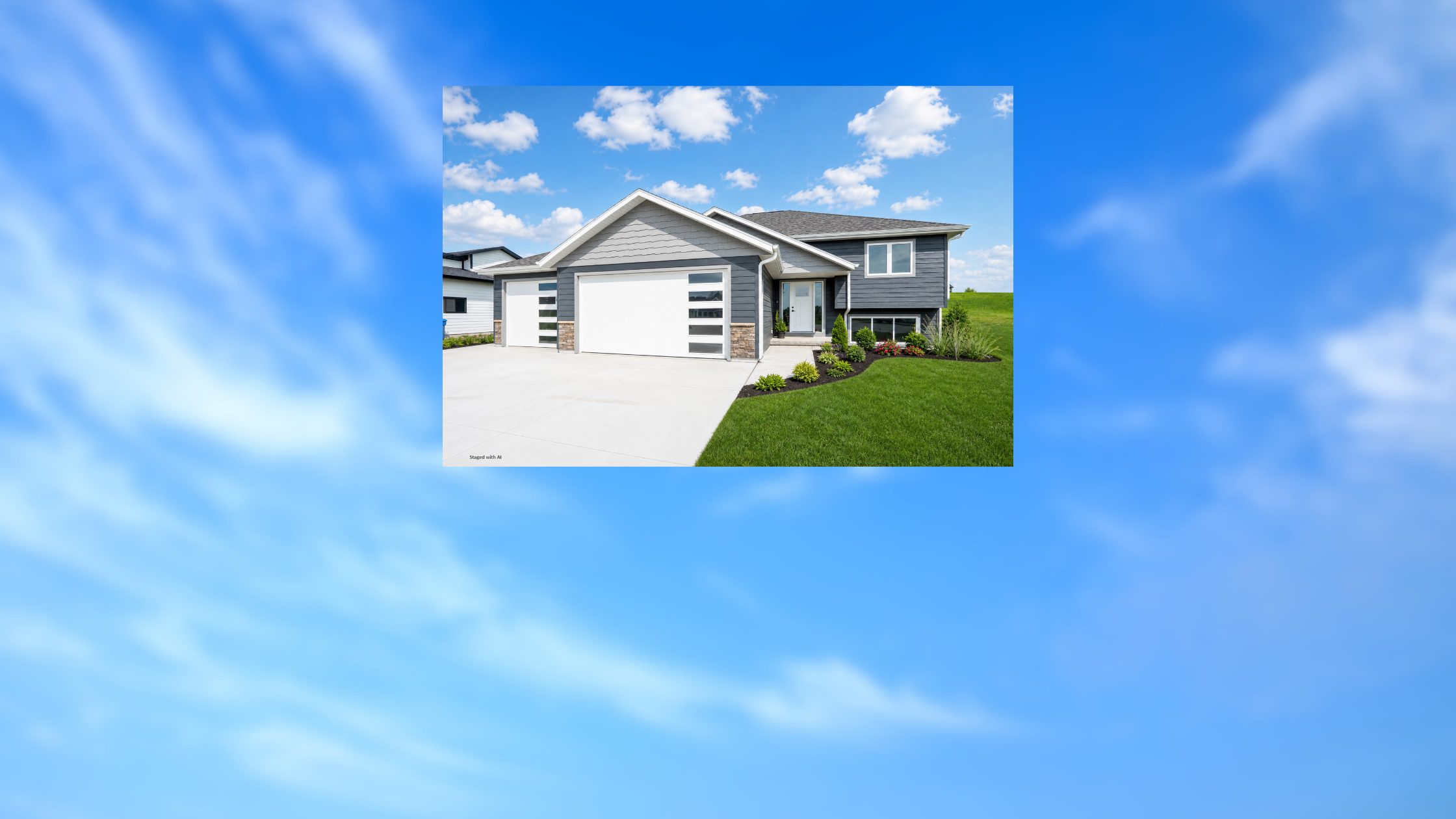
I currently have a new construction home listed at 1912 2nd Ave SE in Le Mars that qualifies for the city’s five-year tax abatement program. I thought this would be a good opportunity to explain what that means and why it’s worth understanding.
What Is a Property Tax Abatement?
A property tax abatement is a temporary reduction in property taxes on qualifying improvements to real estate.
Cities offer these programs to encourage construction, improvements to existing homes, and community development.
Think of it this way. When someone builds a new home, the value of that property increases. Normally, that additional value would be included when calculating property taxes.
A tax abatement allows a portion of that added value to be temporarily exempt from certain property taxes.
The homeowner still owns the property, still pays applicable taxes, and still benefits from the improvements. They’re simply receiving a temporary tax benefit.
And who doesn’t appreciate an opportunity to save a little money?
How Does the Five-Year Property Tax Abatement Work in Le Mars?
The City of Le Mars has an Urban Revitalization Tax Exemption Program designed to encourage new residential construction and qualifying improvements to existing homes.
Under the city’s published residential program, qualifying properties can receive a five-year exemption on the first $75,000 of actual value added by eligible improvements.
Here’s an important distinction: That does not mean you receive $75,000 in cash or save $75,000 in taxes.
It means up to $75,000 of qualifying added property value may be excluded from certain property tax calculations during the exemption period.
For example, suppose a qualifying new home has $300,000 in assessed improvement value. Under a $75,000 exemption, that portion of the improvement value may be excluded when calculating eligible taxes.
That could result in meaningful savings over five years.
The actual amount saved depends on the property’s assessment, applicable tax rates, and the rules of the program. Iowa law also excludes school district levies from certain residential abatements beginning with applications filed on or after July 1, 2024.
The best way to understand the potential savings for a particular property is to request an estimate from the Plymouth County Assessor.
Does a Tax Abatement Mean No Property Taxes?
This is probably one of the biggest misconceptions.
No, a tax abatement doesn’t necessarily eliminate your entire property tax bill.
You may still pay taxes on the land, any nonexempt property value, and levies that are not covered by the program.
The exemption only applies to the qualifying portion of the property’s value and the taxes covered under the applicable rules.
It’s also important to remember that property assessments and tax rates can change over time.
What Happens When the Five Years Are Over?
Once the abatement expires, the previously exempt value generally becomes subject to the applicable property taxes.
That means your property tax bill could increase.
This is something I always encourage buyers to think about when planning their long-term housing budget.
If you’re purchasing a home with an abatement, don’t just look at what the taxes may be during those first few years. Ask what they might look like after the benefit ends.
Your mortgage lender can also explain how the abatement may affect the property tax portion of your monthly escrow payment.
Understanding both numbers can help you plan ahead.
A Real Example: 1912 2nd Ave SE in Le Mars
One of my current listings is a great example of why this conversation matters.
Located at 1912 2nd Ave SE in Le Mars, this newly constructed home qualifies for the city’s five-year property tax abatement program, according to the listing information.
The home offers five bedrooms, three bathrooms, and a spacious split-foyer layout.
The main level has an open kitchen, dining, and living area with a large kitchen island, walk-in pantry, and access to a composite deck.
There are three bedrooms on the main floor, including the primary suite, along with convenient main-floor laundry.
Downstairs, you’ll find two additional bedrooms, a full bathroom, and a generous family room with room for different activities.
There’s also a three-car attached garage, sprinkler system, and radon mitigation system already installed.
And in addition to all those features, the property’s eligibility for the five-year tax abatement is another detail worth discussing.
The listing indicates that the five-year benefit begins at purchase. Before closing, the buyer should confirm the approval status, filing requirements, and exact exemption dates with the City of Le Mars and Plymouth County Assessor.
Can Existing Homes Qualify for a Property Tax Abatement?
Yes! Tax abatements aren’t always limited to brand-new homes.
Le Mars’ published program also identifies certain additions and rehabilitation projects as potentially qualifying improvements.
However, not every project qualifies.
For example, replacing a roof or painting a home may improve its condition without adding enough assessed value to qualify.
Eligibility depends on the type of work, the increase in value, and the city’s requirements.
If you’re considering building an addition or making major improvements, it’s worth contacting the City of Le Mars before starting your project.
How Do You Apply for a Property Tax Abatement?
The City of Le Mars has an application process for its Urban Revitalization Tax Exemption Program.
Generally, the application involves identifying the property, describing the qualifying improvements, and providing information about the value added.
The city reviews the application, and the Plymouth County Assessor determines the eligible assessed value.
Applications must meet the city’s deadlines and approval requirements.
If you’re buying a newly constructed home, ask whether the builder has already applied or whether an application still needs to be completed.
You don’t want to assume the benefit is automatic.
One More Thing to Consider Before Buying
A tax abatement can be a nice financial benefit, but it shouldn’t be the only reason you choose a home.
The floor plan, location, condition, monthly payment, and your long-term plans still matter.
I think the important thing is knowing what questions to ask.
How much value is exempt? When does the exemption begin? When does it end? What might the taxes look like afterward?
Those are all reasonable questions, and getting the answers before purchasing can prevent surprises down the road.
If you’re curious about the five-year tax abatement at 1912 2nd Ave SE or want to learn more about new construction in Le Mars, I’d be happy to help you find the answers.
Julie Hurt, REALTOR®


