

 Facebook
 X
X
 Pinterest
 Copy Link
The Little Moments That Make a House Feel Like Home

June is National Homeownership Month, and every year it gets me thinking about what homeownership really means.
Most of the time, when people talk about buying a home, the conversation focuses on numbers. Interest rates, property taxes, square footage, and mortgage payments. Those things matter, of course.
But when I think about homeownership, I think about moments.
I think about enjoying a cup of coffee on the porch before the day gets busy. I think about children helping in the garden and learning patience one seed at a time. I think about curling up with a good book in a favorite chair, homemade cookies cooling on the counter, and summer afternoons that seem to last forever.
Those are the things that truly make a house feel like home.
Home Is Where Life Happens
One of the things I love most about real estate is seeing how different people make a home their own.
For some people, home is where they gather friends and neighbors. For others, it’s a quiet place to recharge after a busy day. Some people enjoy tending a garden, while others love cooking, decorating, reading, or simply relaxing on the deck after work.
The beauty of homeownership is that it gives you a space that’s uniquely yours. A place where your routines, traditions, and memories begin to take shape.
The Value You Can’t Measure
As REALTORS®, we often talk about home values. But some of the most meaningful value a home provides can’t be measured.
You can’t put a price on traditions. You can’t calculate the worth of a favorite holiday gathering, a birthday celebration, or the comfort of returning to a familiar place at the end of a long day.
Over time, those everyday experiences become the memories we carry with us. Long after we’ve moved from one house to another, it’s often the moments we remember most.
A Good Reminder During National Homeownership Month
National Homeownership Month celebrates the opportunities and benefits that come with owning a home. It’s also a good reminder to appreciate the small moments that make a home special.
The morning routines. The favorite recipes. The backyard projects. The conversations around the table. The quiet evenings spent with the people and activities you enjoy most.
These moments may seem ordinary today, but they’re often the ones that become our favorite memories tomorrow.
Final Thoughts
The next time you think about what makes a home special, I encourage you to look beyond the walls and roof.
Think about the moments.
Because at the end of the day, the best part of a home isn’t found on a property report. It’s found in the life that happens inside it.
Julie Hurt
CENTURY 21 ProLink
📱 712-540-7757
Which Type of Home Fits Your Lifestyle?

Not every home fits every stage of life, and honestly… that’s a good thing.
Some people want everything on one level. Others love having separate spaces. Some want low maintenance, while others dream of a big backyard and room to spread out.
If you’ve been casually browsing homes online and wondering “What kind of home actually makes sense for me?” here’s a simple breakdown of some of the most common home styles and who they tend to fit best.
Ranch Style Homes
Ranch homes are one of the most popular styles for a reason. Everything is typically on one level, which makes daily living simple and convenient.
A ranch home might be a great fit if:
- You don’t want stairs
- You want easier maintenance
- You’re planning long-term living
- You like open floor plans
- These homes are popular with everyone from first-time buyers to empty nesters.
Split-Level Homes
Split-level homes have multiple short sets of stairs that separate living spaces throughout the home. 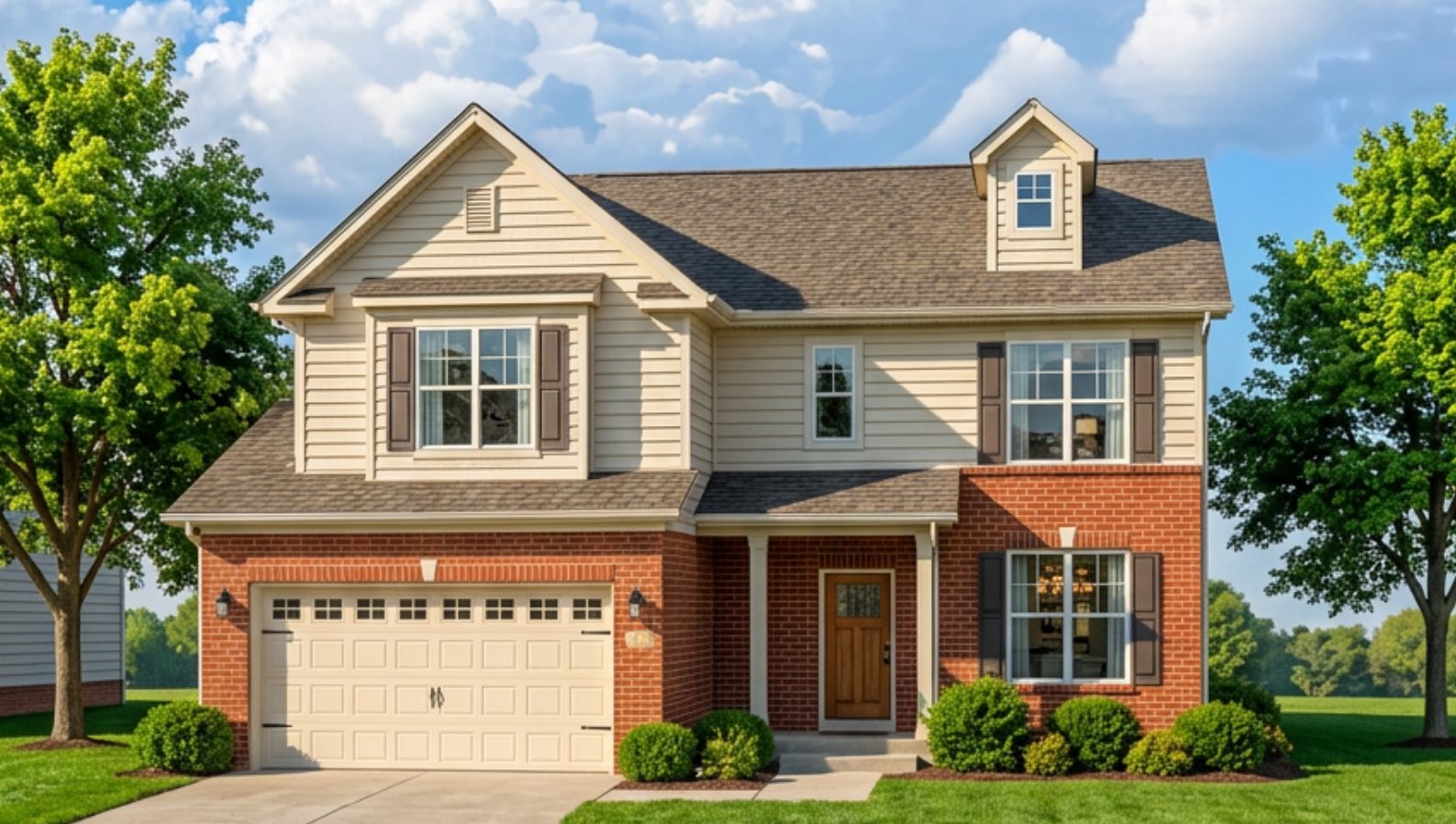
This style might work well if:
- You like separate spaces for living, entertaining, or hobbies
- You want more usable living areas without a massive footprint
- You like having a lower-level family room or rec space
- You don’t mind a few stairs here and there
One thing to know: because the garage is often tucked underneath part of the home, you may lose some traditional basement storage space compared to a ranch home.
Two-Story Homes
Two-story homes are great for buyers who want plenty of space and like having bedrooms tucked away upstairs.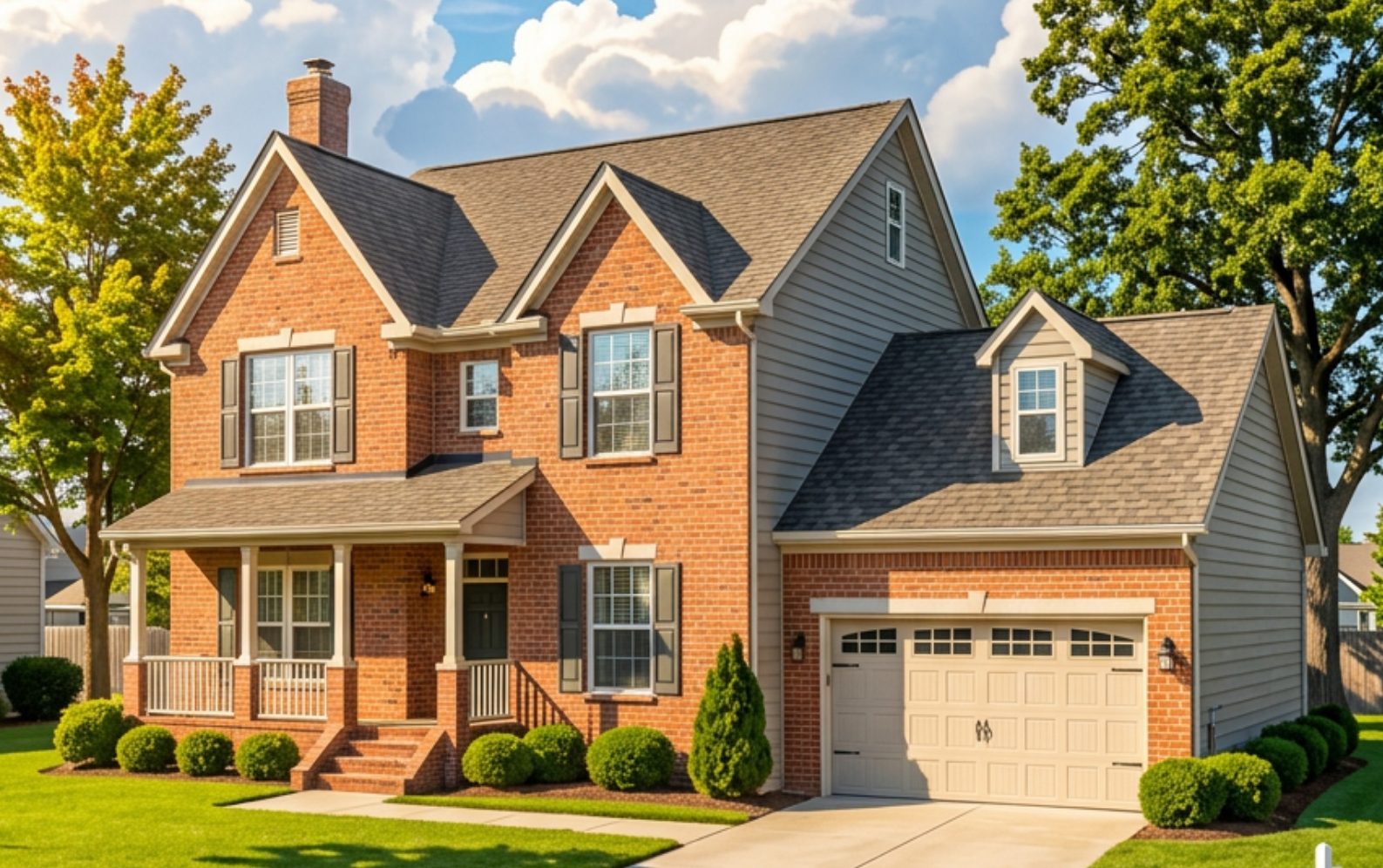
You might prefer a two-story home if:
- You want more bedrooms
- You like separation between living and sleeping areas
- You need space for guests, offices, or hobbies
- You enjoy traditional layouts
Bonus: You often get more square footage without needing a larger lot.
Condos
Condominiums are all about convenience and low maintenance.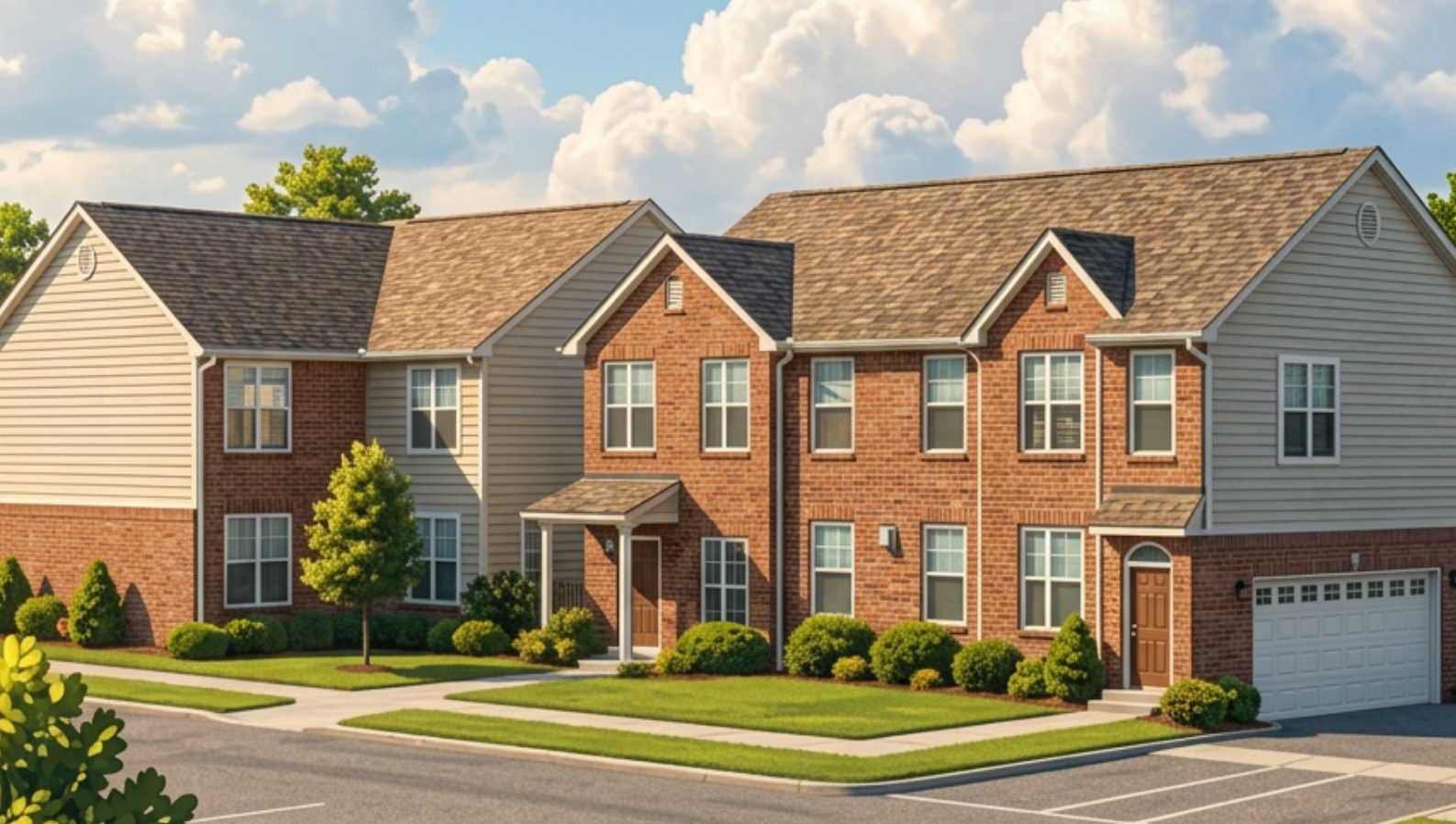
A condo may be a good fit if:
- You don’t want to mow or shovel snow
- You travel often
- You want simpler upkeep
- You prefer amenities and convenience
Condo living can be a great option for busy lifestyles.
Townhomes
Townhomes are kind of the middle ground between a condo and a traditional home.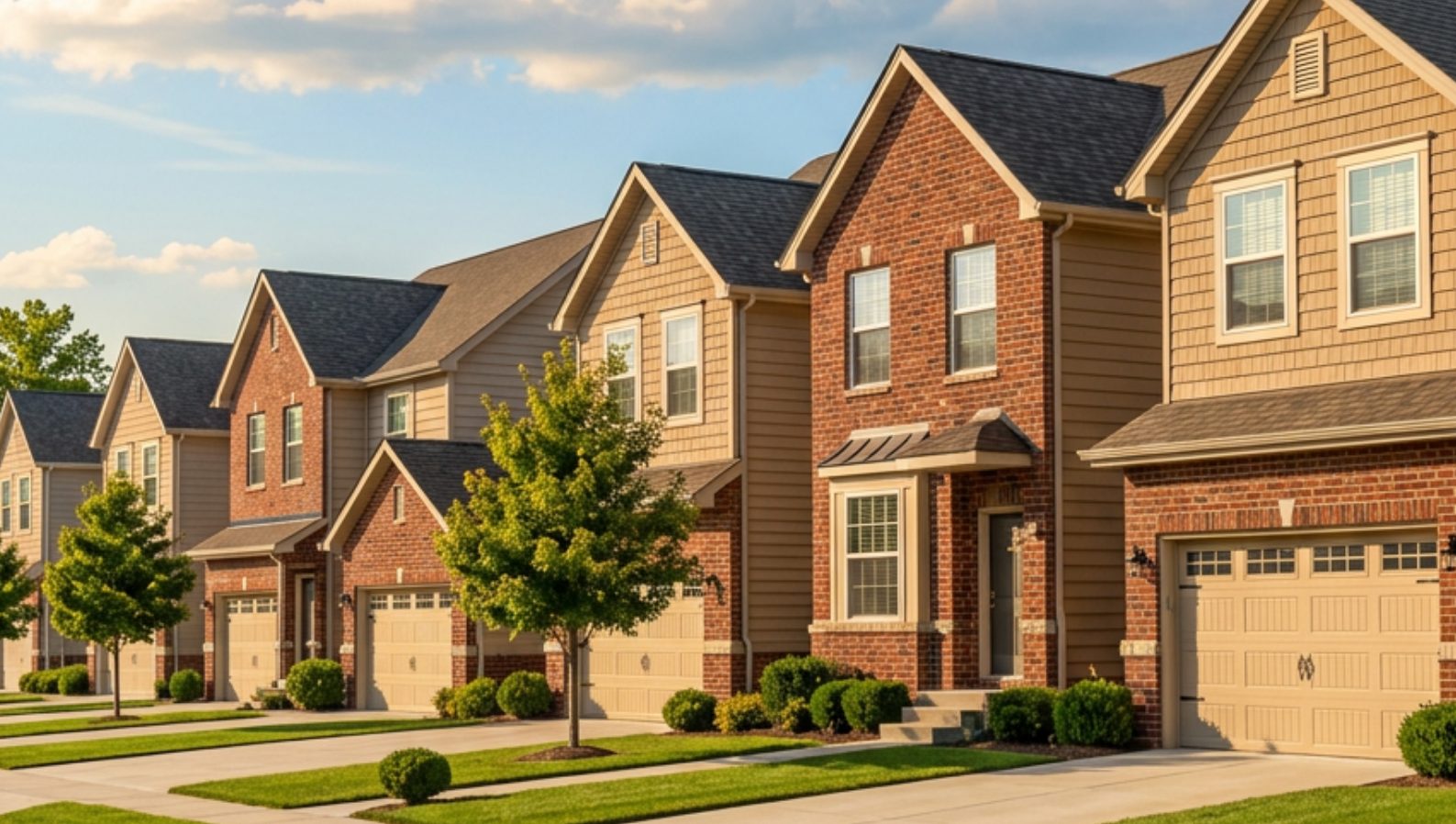
They’re a great option if:
- You want less maintenance
- You still want your own entrance and living space
- You like a neighborhood feel
- You want affordability with functionality
Many townhomes offer modern layouts and attached garages.
So… Which One Is Right for You?
The “right” home isn’t just about square footage or price point. It’s about your lifestyle.
Do you want fewer stairs?
More privacy?
Low maintenance?
Room to grow?
A lock-and-leave lifestyle?
That’s where finding the right fit really starts.
And honestly, sometimes buyers are surprised by the type of home they end up loving once they walk through a few in person.
If you’ve been thinking about making a move but aren’t even sure what style of home makes the most sense for you, let’s talk through it together.
Securing Your Home Before a Weekend Getaway

Before You Head Out: Simple Ways to Secure Your Home for a Weekend Getaway
There is something so good about packing a bag, loading up the car, and heading out for a weekend away. Whether it’s a quick trip to the lake, a wedding, a ball tournament, or just a couple of days to recharge, it always feels good to get out of the normal routine.
But before you pull out of the driveway, it’s worth taking a few minutes to make sure your home is ready to be left alone for a bit.
You do not have to overthink it. A few simple steps can help your home look lived-in, keep things running smoothly, and give you a little more peace of mind while you are gone.
1. Make it look like someone is home
One of the easiest things you can do is avoid making it obvious that no one is around.
Before you leave, consider setting a few lights on timers or using smart bulbs that can turn on and off at different times. If you normally keep a porch light on, leave it on. If you have a trusted neighbor nearby, ask them to grab any packages or flyers that might show up while you are gone.
Little things like an overflowing mailbox, packages on the step, or a dark house for several nights in a row can make it pretty clear that everyone is away.
2. Double-check doors, windows, and garage access
This sounds obvious, but it is one of those things that is easy to miss when you are trying to get out the door.
Walk through the house and check all exterior doors, windows, basement access points, and the garage. If you have a keypad or garage remote in a vehicle that will be left outside, it may be worth bringing it inside.
And if you have a door from the garage into the house, make sure that one is locked too. It is easy to forget because it feels like an “inside” door, but it still matters.
3. Be careful what you post in real time
I know, I know. We all love a good weekend photo. But if your social media is public, it may be better to save the vacation pictures until you are back home.
Posting that you are away, especially with dates or locations, can unintentionally let people know your home is empty. You can still share the fun, just maybe after you are back and unpacked.
4. Tidy up the outside
Before you leave, take a quick look at the outside of your home. Put away bikes, tools, ladders, or anything that could be easily taken or used to access windows.
If you are leaving during a time of year when storms are possible, bring in patio cushions, umbrellas, or lightweight outdoor items. Around here, we all know the wind can make a quick mess of things.
5. Don’t forget the practical stuff
Security is important, but so is preventing little home headaches while you are gone.
Take out the trash, run the dishwasher, check that appliances are off, and make sure faucets are not dripping. If you will be gone longer than a weekend, you may also want to adjust the thermostat and have someone check on the house.
If you have pets staying home with someone checking in, make sure food, instructions, and emergency contacts are easy to find.
6. Ask a neighbor or friend to keep an eye out
There is still a lot to be said for good neighbors.
If you have someone you trust nearby, let them know you will be gone and ask them to keep an eye on things. They do not need to do anything major. Just having someone notice if something seems off can be a big help.
A little preparation goes a long way
A weekend getaway should feel relaxing, not stressful. Taking 10 or 15 minutes to secure your home before you leave can make it much easier to enjoy your time away.
And if you are planning a bigger move, getting ready to sell, or just wondering what small things make a home feel well cared for, I am always happy to help.
Julie Hurt
CENTURY 21 ProLink
A Sisters’ Weekend, Ice Cream Cones, and a Little Le Mars History

 You never know who you’ll meet in downtown Le Mars.
This morning, I met two lovely ladies outside our CENTURY 21 ProLink office while they were taking pictures with the ice cream cone in front of our building. They were on a sisters’ weekend trip to Le Mars and Sioux City, and their plan for the day was to find all the ice cream cones around town before heading to Sioux City to see Urinetown at the community theater.
I thought that sounded like such a fun way to spend a weekend.
What I loved even more was their bigger goal. They are working on traveling to every town in Iowa, and as they go, they try to see productions at community theaters along the way. What a wonderful way to experience our state; stopping, exploring, meeting people, and supporting the arts in each community.
Naturally, I had to tell them they need to come back to Le Mars for a production at the Le Mars Community Theatre.
One of the things I love about our office location is that we are right across from the Le Mars Community Theatre, also known as the Postal Playhouse. The building has such a neat history. It was originally the post office, and now it serves as a place where local talent, creativity, and community come together on stage.
Before they left, they insisted on taking a selfie with me, which made my morning. They also promised they would get ice cream before heading home, so I feel confident they are doing Le Mars the right way.
It was such a simple moment, but it reminded me why I love this community so much. Le Mars has a way of giving people something to remember whether it is the ice cream, the downtown charm, the history, the theater, or just a friendly conversation on the sidewalk.
To the two sisters out exploring Iowa: I hope your weekend is full of laughter, good shows, great ice cream, and plenty of memories.
And when you are ready for another community theater stop, Le Mars will be happy to welcome you back.
Do you have a fun Iowa adventure, small-town tradition, community theater stop, or favorite local landmark story? I’d love to hear it. Share it in the comments and let’s celebrate all the little places and stories that make Iowa so special.
Saturday Mornings at the Le Mars Farmers Market

There is something special about a Saturday morning in Le Mars when the Farmers Market is open.
The Le Mars Farmers Market kicked off its season on Saturday, May 9, at the Olson Cultural Events Center, and it will continue every Saturday from 9 a.m. to noon through October 10. For many of us, it is one of those signs that warmer days are here and our community is ready to get out, gather, and enjoy the season.
What I love most about the Farmers Market is that it is not just about what you buy. It is about the experience.
It is the smell of fresh baked goods. The color of homegrown flowers. The chance to pick up farm fresh eggs, honey, produce, or something homemade. It is food trucks, live music on some Saturdays, familiar faces, and conversations that happen naturally as people walk through the market.
That is what makes it feel so special.
Events like this help a community grow in a way that is hard to measure. They give local growers, makers, bakers, and small businesses a place to be seen and supported. They give families a reason to get out on a Saturday morning. They give people a place to connect, slow down, and enjoy what is right here in our own backyard.
I think sometimes we forget how lucky we are to have these kinds of local traditions. The Farmers Market is one of those simple things that adds so much life to a community. It brings people downtown, supports local talent, and reminds us that shopping local does not have to be complicated. Sometimes it is as easy as showing up on a Saturday morning, grabbing a coffee or a treat, and visiting with the people who make this area feel like home.
The Le Mars Farmers Market will be open every Saturday from 9 a.m. to noon at the Olson Cultural Events Center through October 10.
If you have not stopped by yet this season, put it on your list. Bring a friend, bring your kids, grab something fresh, and enjoy a little piece of what makes Le Mars such a great place to live.
Small towns grow stronger when people show up for each other, and the Farmers Market is a beautiful reminder of that.
FILLING THE WINDOWS, FILLING OUR COMMUNITY 💛

FILLING THE WINDOWS, FILLING OUR COMMUNITY 💛
Each year, CENTURY 21 ProLink comes together for something that means a lot to us! The annual Fill the Window donation drive.
This year, we’re proud to partner with Sunnybrook Hope Center, an organization that provides essential support to individuals and families in need right here in our community.
Now through May 1st, we’re collecting donations to help fill the windows of our office right here in LeMars. I LOVE this visual reminder of what can happen when people come together.
It’s a simple idea, but a powerful one.
If you’d like to help, there are a couple easy ways:
- Drop off donations at office in LeMars or Sioux City
- Or order online and have it delivered to our office at 21 2st Ave NE Ste 1, LeMars, IA 51031
Real estate has always been about more than buying and selling homes, it’s about being part of a community and giving back whenever we can.
If you’ve been looking for a simple way to make a difference, this is it 💛
You Just Found The One!

Falling in love with a house is easy—winning it in today’s market? That’s the real challenge. With multiple buyers eyeing the same property, it’s crucial to have a solid strategy to increase your chances of securing your dream home. Here’s what can go wrong and how to avoid it.
Scenario 1: You Hesitate, and Someone Else Swoops In
Solution: Act Fast and Be Prepared
In a fast-moving market, hesitation can cost you the home. If you find a property you love, be ready to submit a strong offer immediately. The best way to stay ahead is by getting pre-approved for a mortgage before you start house hunting. Pre-approval signals to sellers that you’re serious and financially ready, reducing the chances of any delays that could cost you the home.
Additionally, working with an experienced real estate agent can help streamline the process and ensure your offer is submitted quickly and strategically.
Scenario 2: You Offer Too Low and Get Outbid
Solution: Be Competitive with Your Offer
It’s tempting to start with a low offer to see if the seller will negotiate, but in a competitive market, lowballing can backfire. If multiple buyers are interested, the seller will likely choose the highest and most appealing offer.
Instead of making a weak initial offer, work with your real estate agent to craft a compelling proposal. This could include offering slightly above asking price, being flexible with the closing date, or reducing contingencies to make your offer more attractive. Some buyers also include a personal letter to the seller, expressing why they love the home, which can sometimes make a difference.
Scenario 3: The Inspection Uncovers Issues
Solution: Use It as a Negotiation Tool, but Know When to Walk Away
A home inspection is a critical step in the buying process, as it can reveal potential problems that aren’t visible during a showing. If significant issues arise, don’t panic—use the findings as a negotiation tool. Depending on the severity of the issues, you may be able to request repairs, negotiate a price reduction, or ask for seller credits to cover the cost of fixing the problems.
However, it’s important to establish deal-breakers before making an offer. If the home has major structural issues or costly repairs that exceed your budget, it may be best to walk away and find a property that better fits your needs and finances.
Scenario 4: The Seller Rejects Your Offer
Solution: Be Ready for Counteroffers and Negotiations
It’s disappointing to have an offer rejected, but it’s not the end of the road. Sellers often counteroffer with different terms, and negotiations may go through several rounds before both parties agree.
Being flexible can give you an edge. If the seller rejects your initial offer, consider adjusting your terms—whether it’s increasing your bid, accommodating their preferred closing date, or waiving minor contingencies. Having a knowledgeable agent who understands negotiation strategies can make a huge difference in successfully closing the deal.
Bonus Tips for Winning a Bidding War:
- Submit a Strong Earnest Money Deposit: A higher deposit shows sellers you’re serious about the purchase.
- Be Flexible with Closing Dates: Accommodating the seller’s timeline can make your offer more attractive.
- Consider an Escalation Clause: This automatically increases your bid if another higher offer comes in, up to your max budget.
- Limit Contingencies: Too many contingencies can make your offer less appealing. If possible, keep them minimal.
Final Thoughts:
In a competitive market, speed, strategy, and preparation are key. By acting quickly, making a strong offer, and being ready for negotiations, you can increase your chances of securing your dream home—even when multiple buyers are in the mix. Remember, having an experienced real estate agent on your side can make all the difference in helping you navigate the process and land the perfect home.
The #1 Reason Couples Fight About Buying A Home

Buying a home together is a major milestone for any couple. It’s a chance to build a future, create a comfortable space, and invest in something meaningful. But along with the excitement comes one of the biggest stressors in relationships—money. In fact, financial disagreements are one of the top reasons couples argue when purchasing a home. The key to avoiding unnecessary conflict? Open communication and clear expectations.
Before you start attending open houses or browsing listings online, here are ten crucial conversations to have with your partner to ensure you’re both on the same page.
1. What Type of Home Do We Both Agree On?
Do you dream of a single-family home, while your partner prefers a modern condo? Is a townhome a good compromise? Discuss the type of home that suits both of your needs, taking into account factors like maintenance, lifestyle preferences, and long-term goals.
2. Where Do We Want to Live?
Location is everything. Talk about whether you want to live in the city, suburbs, or a rural area. Consider commute times, proximity to family, access to public transportation, and the quality of local schools if you plan to have children.
3. How Much Debt Do We Have?
Your existing debt can impact your mortgage approval and the interest rate you qualify for. Be transparent about student loans, car payments, and credit card debt. Understanding your full financial picture will help you determine a realistic home budget.
4. What’s Our Long-Term Plan?
Are you looking for a starter home with plans to upgrade in a few years, or are you searching for a forever home? Discuss your long-term vision so you can make a purchase that aligns with your future goals.
5. Whose Name Goes on the Mortgage?
Some couples apply for a mortgage together, while others choose to have only one partner apply—especially if one person has a significantly higher credit score. Your decision could impact loan approval, interest rates, and future financial arrangements, so it’s essential to explore all options.
6. How Will We Split the Mortgage and Other Expenses?
Will you split mortgage payments equally, or will contributions be based on income? What about property taxes, home insurance, and maintenance costs? Having a clear plan in place will help prevent financial strain down the road.
7. How Do We Prioritize Must-Haves vs. Nice-to-Haves?
You might want a big backyard, while your partner prioritizes a chef’s kitchen. To avoid conflict, create a list of “must-haves” and “nice-to-haves” together. Be prepared to compromise—no home is perfect, but finding one that fits most of your priorities is key.
8. What Happens If We Break Up or Divorce?
It’s not the most romantic topic, but it’s a necessary one. If the unexpected happens, what’s the plan for the home? Will one of you buy out the other, or will you sell and split the proceeds? A legal agreement can provide clarity and protection for both partners.
9. How Will We Handle Major Home Decisions?
Will you renovate? What if you want to refinance or sell in the future? Establishing a decision-making process now can help prevent future disagreements.
10. Do We Need Life Insurance or a Will?
If you’re purchasing a home together, it’s wise to consider life insurance and estate planning. This ensures that if something happens to one of you, the surviving partner isn’t left struggling with mortgage payments or legal complications.
💡 Pro Tip: The strongest couples tackle these conversations before making an offer.
Buying a home should be an exciting and rewarding experience, not a source of stress and arguments. Taking the time to discuss these essential topics beforehand will help you make informed, confident decisions together. A dream home is wonderful—but financial clarity and stability are even better!
Two Things You Should Strongly Consider Doing After Purchasing a Home
Purchasing a home is one of life’s most exciting milestones. You’ve worked hard, saved diligently, and finally unlocked the door to a place you can call your own. But what happens after the thrill of closing day? While decorating, unpacking, and settling in often take center stage, there are two crucial steps every homeowner should take to secure their future: setting up a living trust and obtaining a term life insurance policy.
Here’s why these steps matter and how they can protect both your home and your loved ones.
1. Set Up a Living Trust and Transfer Your Home Into It
A living trust is a legal document that allows you to place your assets—including your home—in a trust while maintaining control of those assets during your lifetime. Once your home is in the trust, it becomes part of your estate plan and bypasses the lengthy and often expensive probate process.
When you put your home into a living trust, you ensure that:
- Your loved ones avoid probate: Probate can be a long, stressful process for your family, especially during an already emotional time. A living trust ensures your home transitions smoothly to your beneficiaries without legal delays or complications.
- You maintain control: While you’re alive, you remain the trustee of your living trust. This means you retain full control over your home and can sell, refinance, or manage it as you see fit.
- Your wishes are honored: A trust ensures your property is distributed exactly as you intend. Whether you want to leave your home to your children, siblings, or other family members, a trust ensures no one can contest your wishes.
Many homeowners mistakenly believe that a will offers the same protection as a trust, but the reality is that a will often leads to probate court. A living trust, on the other hand, keeps everything private and efficient.
2. Obtain a Term Life Insurance Policy Equal to Your Mortgage Amount
Owning a home comes with a financial commitment that typically spans decades. A term life insurance policy ensures that if something unexpected happens to you, your loved ones won’t be burdened with the mortgage.
Here’s why it’s so important:
- Mortgage protection: A term life insurance policy matching your mortgage balance provides peace of mind that your home won’t be at risk if you’re no longer around to make payments. For instance, if you owe $300,000 on your mortgage, a $300,000 term policy ensures that your family can pay off the loan in full.
- Affordability: Term life insurance is often more affordable than other types of life insurance, especially if you’re in good health. It’s a straightforward way to provide financial security without breaking the bank.
- Family stability: Losing a loved one is hard enough without the added stress of financial uncertainty. A term life policy allows your family to remain in the home you worked so hard to purchase.
When selecting a term life insurance policy, consider the length of your mortgage term. For example, if you have a 30-year mortgage, a 30-year term policy ensures coverage for the life of the loan.
Why These Steps Matter
Owning a home isn’t just about having a roof over your head; it’s about creating a legacy and protecting what matters most—your family. While the excitement of homeownership often focuses on the here and now, these two steps ensure your investment and loved ones are protected for years to come.
Here’s what these steps achieve:
- Peace of mind: Knowing your home and family are safeguarded provides a sense of security that’s hard to put a price on.
- Avoidance of financial strain: Whether it’s bypassing probate or paying off the mortgage, these measures prevent unnecessary financial stress on your loved ones.
- Legacy building: By taking these proactive steps, you ensure that your home remains a source of comfort and stability for your family.
A Personal Perspective
When I bought my first home, I was so caught up in the excitement of moving in, decorating, and embracing homeownership that I didn’t give much thought to the “what ifs.” No one told me about the importance of a living trust or a term life insurance policy. It wasn’t until later that I realized how crucial these steps are for protecting my home and family.
These two actions might not be the most exciting part of homeownership, but they’re undoubtedly among the most important. They’re the steps I wish someone had told me about sooner.
Take Action Today
Whether you’re a first-time homeowner or have purchased several properties, it’s never too late to set up a living trust and secure a term life insurance policy. These steps ensure that your investment is protected and your loved ones are cared for—no matter what the future holds.
Remember, owning a home is more than a financial commitment; it’s a commitment to your family’s security and well-being. Take these steps today, and enjoy the peace of mind that comes with knowing you’ve done everything possible to protect your home and your legacy.
Wondering How Much Cash You REALLY Need to Become a Homeowner?

For many aspiring homeowners, the biggest question is, “How much do I need to save to buy a home?” While the answer depends on various factors, breaking it down into clear components can help you plan your savings and make homeownership more achievable.
Here’s a step-by-step guide to understanding the savings needed to confidently purchase a home priced at $420,000.
1. Minimum Down Payment The down payment is the first major savings milestone. Many buyers are pleasantly surprised to learn that you don’t need a 20% down payment to buy a home. In fact, with many loan programs, you can get started with as little as 3% of the purchase price.
For a $420,000 home, 3% comes out to $12,600. This amount is your entry point into homeownership. However, if you can save more than the minimum, you’ll benefit from smaller monthly payments and potentially lower mortgage insurance costs. Think of the 3% as the starting line, but aim to go beyond if possible.
2. Closing Costs Many buyers overlook closing costs, but they’re an essential part of your savings plan. These costs typically range from 2% to 5% of the purchase price, with 3% being a common estimate.
For a $420,000 home, closing costs would amount to another $12,600. This includes expenses such as loan origination fees, title insurance, appraisal fees, and more. While some of these costs can be negotiated or even covered by the seller in certain cases, it’s wise to budget for the full amount to avoid surprises.
3. Emergency Fund (Highly Recommended) While not technically required to purchase a home, having an emergency fund is highly recommended to ensure financial stability. Homeownership comes with unexpected expenses, from repairs to fluctuating utility bills. An emergency fund acts as a safety net, giving you peace of mind and security.
Financial experts suggest saving 3 to 6 months’ worth of mortgage payments as your emergency fund. For a $2,500 monthly mortgage, this amounts to at least $7,500. Building this cushion ensures that you’re prepared for life’s uncertainties, from unexpected repairs to changes in income.
4. Your Total Savings Plan Let’s add it all up to see what you’ll need to save for a $420,000 home:
- Down payment: $12,600+
- Closing costs: $12,600+
- Emergency fund: $7,500+
Grand Total: $32,700+
This amount represents the minimum savings needed to step into homeownership confidently. Keep in mind that saving more will always put you in a stronger financial position. Extra funds can help cover moving expenses, home improvements, or even give you a head start on furnishing your new space.
5. Tips to Build Your Savings Faster Now that you know your savings target, here are a few strategies to help you reach your goal:
- Automate Your Savings: Set up a dedicated savings account for your homeownership goal and automate regular contributions. Even small, consistent deposits add up over time.
- Cut Unnecessary Expenses: Review your budget for areas where you can trim spending. Redirect those funds toward your savings plan.
- Look Into Assistance Programs: Many states and organizations offer down payment assistance programs or grants for first-time homebuyers. Research what’s available in your area to potentially lower your out-of-pocket costs.
- Pick Up a Side Hustle: Consider taking on freelance work, part-time jobs, or selling unused items to boost your income and speed up your savings timeline.
Did You Find This Helpful? Planning your homeownership journey doesn’t have to be overwhelming when you break it down step by step. If you found this guide helpful, don’t forget to share it with someone who’s thinking about buying a home.


